

When a company consistently retains part of its earnings and demonstrates a history of profitability, it’s a good indicator of financial health and growth potential. This can make a business more appealing to investors who are seeking long-term value and a return on their investment. If a company decides not to pay dividends, and instead keeps all of its profits for internal use, then the retained earnings balance increases by the full amount of net income, also called net profit. When a company pays dividends to its shareholders, it reduces its retained earnings by the amount of dividends paid.

Capital Markets
To find the final retained earnings, you’ll subtract this number from your final calculation in Step 3. In this guide we’ll cover everything from how to calculate retained earnings to how to interpret them on different financial documents. Company XYZ has reported figures for a three-month period ending February 28, 2025 (figures are in thousands of dollars). While calculating retained earnings of this company, assume the beginning retained earnings balance is $0. Retained earnings calculate retained earnings are crucial for small business owners because they provide a source of internal funding.
- Comprehensive documentation provides a clear audit trail and simplifies the process of verifying your retained earnings figures.
- Retained earnings, in a nutshell, are the profits your company bagged over a specific period, minus operational costs and dividend payouts.
- Monitoring these figures can guide your analysis of a company’s long-term profitability and dividend policies.
- ’ The answer is no – it’s actually part of shareholders’ equity, representing accumulated earnings retained in the business.
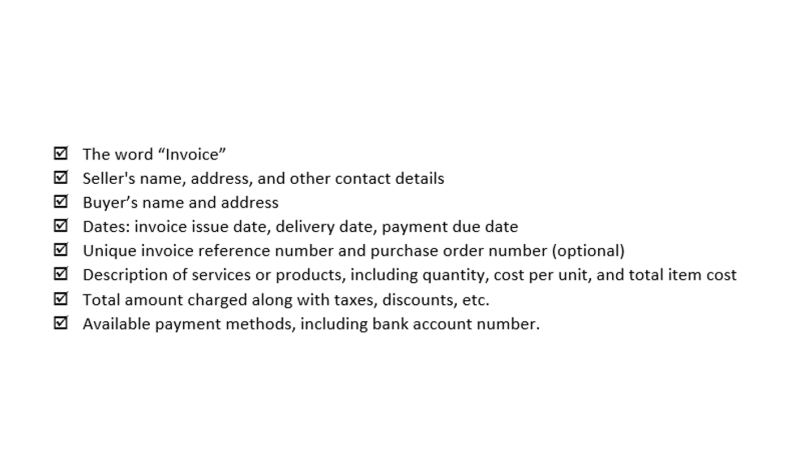
- To ensure accuracy, reconciling the income statement with source documents like invoices, contracts, and receipts is essential.
- In fact, thousands of small businesses have followed these EntreLeadership practices to become forces to be reckoned with.
Why retained earnings matter for financial forecasting
- His expertise in content systems, data accuracy, and web accessibility ensures every guide meets the highest standards.
- It is a key indicator of a company’s ability to generate sales and it’s reported before deducting any expenses.
- Every business owner faces cash flow vs. profit challenges—and many don’t survive.
- It connects the income statement and balance sheet by showing the movement from beginning to ending retained earnings balance.
- This figure reflects the company’s overall financial health over time, showing how profits are reinvested in the business for growth, debt repayment, or other strategic purposes.
- After adding/subtracting the current period’s net profit/loss to/from the beginning period retained earnings, you’ll need to subtract the cash and stock dividends paid by the company during the year.
- If there were no dividends paid out, you don’t need to do any other adjustments from step two.
When a company consistently experiences net losses, those https://www.assheqgroup.co.za/bookkeeping-books-list-of-top-10-books-to-read-in/ losses deplete its retained earnings. Prolonged periods of declining sales, increased expenses, or unsuccessful business ventures can lead to negative retained earnings. Positive retained earnings signify financial stability and the ability to reinvest in the company’s growth.
examples of retained earnings calculation
It might also be because of different financial modelling, or because a business needs more or less working capital. When a company loses money or pays dividends, it also loses its retained earnings. This is the company’s reserve money that management can reinvest into the business. Let’s face it—managing finances isn’t always the most exciting part of running your business. But as an entrepreneur, startup founder, or small business owner, clarity around your company’s financial health is essential.
Learn how to find and calculate retained earnings using a company’s financial statements. Your company’s balance sheet may include a shareholders’ equity section. This line item reports the net value of the company—how much your company is worth if you decide to liquidate all your assets. Once your cost of goods sold, expenses, and any liabilities are covered, you have to pay out cash dividends to shareholders. The money that’s left after you’ve paid your shareholders is held onto (or “retained”) by the business. Net income flows into retained earnings after each accounting period.
Theoretically, all the income a business generated in the defined period could be retained earnings if the company decided not to reinvest or pay dividends. So, the second step is to review the company’s income statement for either income or losses. The retained earnings (or retention) ratio refers to the amount of earnings retained by the company compared to the amount paid to shareholders in dividends. It’s essentially a comparison between the money earmarked for reinvestment and the money paid to investors in dividend payments. Now, if you paid out dividends, subtract them and total the ending balance.
- This technique provides a reliable backstop when traditional data sources fall short and helps validate the equity section holistically.
- Businesses that aren’t run by commonsense, time-proven money principles are vulnerable to the whims of competitors, shifts in the economy, and every storm on the horizon.
- This line item reports the net value of the company—how much your company is worth if you decide to liquidate all your assets.
- They are adjusted in light of any additional profits and dividends and carried over to the following accounting period.
- Retained earnings are also known as accumulated earnings, earned surplus, undistributed profits, or retained income.
How to Make a Profit Loss Statement
The company’s tax planning strategies Balancing off Accounts and effective utilization of tax incentives and credits can impact its net income and, by extension, retained earnings. Tax-efficient operations can lead to higher after-tax profits and retained earnings. The company’s ability to generate profits directly impacts retained earnings.
Profitability
Learn about cash flow, profit and revenue and how they work together. Learn more about retained earnings and pave a path to financial growth using EntreLeadership’s 6 Profit Principles and 4 Key Practices to Create Financial Peace in Your Business. Businesses that aren’t run by commonsense, time-proven money principles are vulnerable to the whims of competitors, shifts in the economy, and every storm on the horizon.
Retained earnings are the cumulative profit a company keeps within the business vs. distributing to owners, shareholders, or other stakeholders. Learn how payroll cash flow forecasting helps SMEs manage rising costs, prevent cash shortfalls, and ensure timely staff payments with smart planning. To gain true financial clarity, it’s essential to understand the difference between retained earnings, revenue, and profit, and how these fundamental terms are interconnected.

When a business has a positive retained earnings number, the company has more to spend on assets to foster further growth. By now, you should have a clear idea of how to calculate retained earnings, but you might be wondering what’s the retained earnings formula. Say, for example, you run a small business and make $12,000 profit annually after covering all fixed and variable expenses. Now, you have decided to keep the entire amount with you rather than clearing your business debts. That $12,000 is your retained earnings, which you will reinvest to buy new equipment or launch new products. Even if you are managing a small shop in your hometown or flipping burgers in your food truck, retained earnings are important.