
Are card games more strategic than slot machines
Understanding the Nature of Strategy
Card games and slot machines represent two distinct approaches to gambling, particularly in their reliance on strategy. Card games, such as poker and blackjack, require players to make decisions based on skill, probability, and psychology. These games often involve multiple players, adding layers of complexity as individuals must not only consider their own hands but also gauge their opponents’ actions and reactions. For those looking to explore a broader range of gaming options, online casinos for real money can provide a diverse selection that includes both card games and slots.
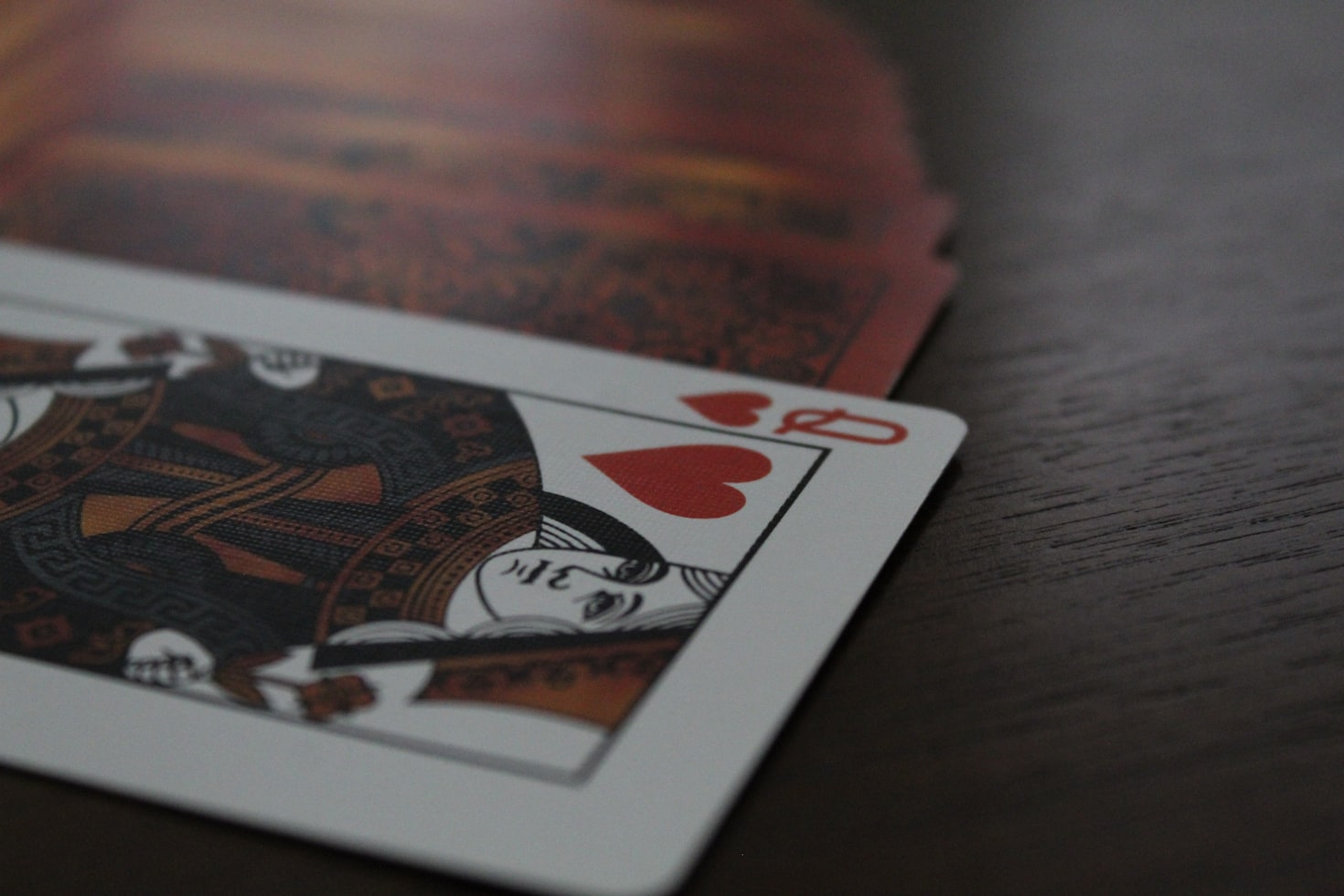
In contrast, slot machines are fundamentally games of chance. Players pull a lever or press a button and hope for a favorable combination of symbols. While some slot machines may offer varying themes or bonus features, the outcome is determined purely by random number generators. This lack of decision-making in the gameplay emphasizes that card games require a strategic mindset, making them more engaging for those who enjoy applying skill and thought to their choices.
The Role of Skill in Card Games
Skill plays a crucial role in card games, distinguishing them from other forms of gambling. Players can enhance their chances of winning through learning strategies, understanding the odds, and employing tactics like bluffing. For instance, a skilled poker player can read body language and betting patterns to inform their decisions, while a novice might make impulsive choices that lead to losses.
This strategic depth fosters a dynamic environment where experience can significantly influence outcomes. Players who invest time in mastering their game can outmaneuver opponents and increase their winning potential, highlighting the importance of skill in card games compared to the luck-based nature of slot machines.
The Psychological Aspect of Gambling
The psychological dimensions of gambling are particularly pronounced in card games. Players must manage their emotions, maintain focus, and adjust their strategies based on the evolving dynamics of the table. The social interaction inherent in card games adds an additional layer of complexity, where reading opponents can be just as crucial as the cards themselves.
This psychological warfare requires strategic thinking and emotional intelligence, both of which can be less pronounced in the solitary experience of playing slot machines. As a result, those who thrive on competition and social engagement often find card games to be more stimulating and rewarding than the solitary experience of spinning reels.
The Randomness Factor in Slot Machines
Slot machines are designed to be entertaining and straightforward, appealing to those who enjoy immediate gratification without the need for complex strategies. The randomness of their outcomes means that every spin is independent of the last, creating a purely luck-based experience. This lack of strategic involvement can be appealing for casual gamblers looking for a quick thrill.
However, the absence of skill and strategy can also make playing slots less engaging over time. Gamblers who prefer a challenge may find themselves drawn to the intellectual stimulation offered by card games, where each decision can shape the game’s outcome significantly.
Conclusion and Implications for Gamblers
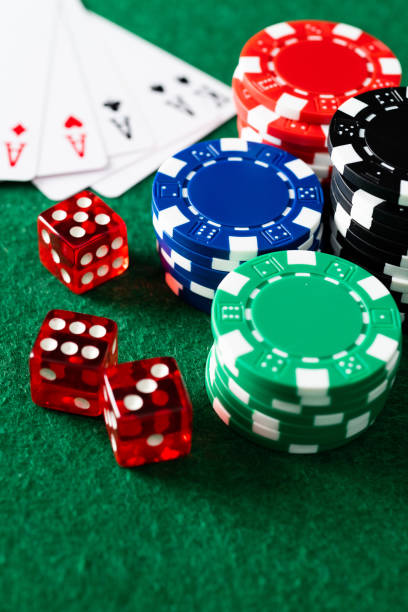
In conclusion, the comparison between card games and slot machines highlights the differences between strategic thinking and pure chance. Card games demand a level of skill, strategy, and psychological insight that enhances the gambling experience, making them more appealing to players who value these qualities. Slot machines, while entertaining, lack the depth that many gamblers seek.
As the gambling landscape continues to evolve, players should consider their preferences and what they seek from their gaming experiences. Understanding these differences can lead to more informed choices, whether one leans toward the strategic world of card games or the simple enjoyment of slot machines.