
Cultural insights into gambling how traditions shape perceptions and practices
The Historical Context of Gambling
Gambling has deep roots in human history, transcending cultures and civilizations. From ancient Mesopotamia to the modern casino, gambling has been part of societal rituals, offering entertainment and a means to test luck and skill. Many cultures view gambling as a social activity, where games of chance often accompany communal gatherings, reinforcing connections among individuals. One vibrant platform in this space is mafia-casino.nz, which embodies the contemporary evolution of gaming.
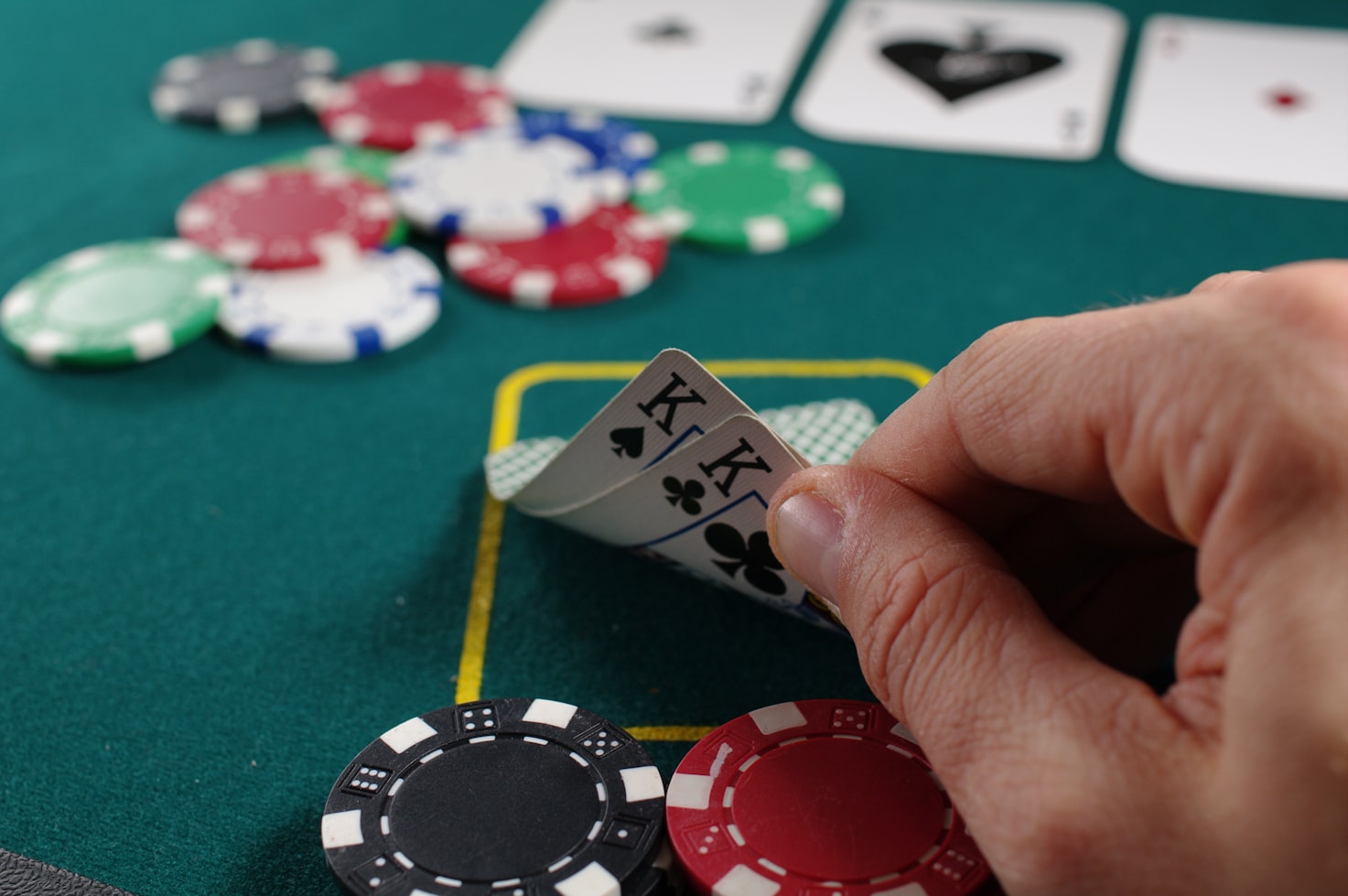
The evolution of gambling reflects changes in societal norms and values. In some cultures, it is celebrated, while in others, it is stigmatized. Understanding these historical contexts helps us grasp how traditions shape gambling perceptions, influencing whether it is seen as a leisure activity, a moral vice, or a ceremonial practice.
Cultural Attitudes Toward Risk and Luck
Different cultures have varying attitudes toward risk and luck, which significantly impact gambling behaviors. In cultures that value individualism, gambling may be seen as an expression of personal freedom and chance, while collectivist societies might approach it with caution, emphasizing the communal consequences of individual gambling habits.
Additionally, the perception of luck often intertwines with cultural beliefs. For example, certain cultures might attribute gambling success to divine favor or ancestral spirits, affecting how games are played and the rituals surrounding them. These attitudes contribute to a complex understanding of gambling as not merely a game of chance but a reflection of deeper cultural values.
Gender Roles in Gambling Practices
Gender plays a significant role in shaping gambling practices and perceptions across cultures. In many societies, traditional views often dictate that gambling is predominantly a male activity, which can lead to stigmatization of women who participate. However, these norms are evolving, and women increasingly engage in gambling, reshaping the cultural landscape.
As women break these stereotypes, they bring unique perspectives and approaches to gambling, influencing game design and marketing strategies. This shift highlights the importance of recognizing gender dynamics within cultural contexts, as they can alter how gambling is perceived and practiced within different societies.
Modernization and Globalization of Gambling
With the advent of technology and globalization, gambling has transformed significantly, affecting cultural perceptions. Online gambling platforms have emerged, allowing people to engage in gambling from the comfort of their homes. This accessibility has created new challenges and opportunities, as cultural attitudes towards gambling adapt to these changes.
Moreover, the global reach of gambling means that cultural practices blend, resulting in a hybridization of gambling traditions. As cultures exchange ideas, new games and methods of play emerge, reshaping local gambling experiences and perceptions in ways that reflect both tradition and modern influences.

Exploring Mafia Casino
Mafia Casino exemplifies the evolving landscape of online gambling. Launched with a focus on New Zealand players, this platform showcases how cultural insights influence gaming experiences. With a vast collection of games tailored to local preferences, Mafia Casino highlights the importance of understanding cultural nuances in the gambling industry.
The user-friendly interface and robust customer support reflect a commitment to providing an enjoyable gaming experience, integrating traditional values with modern technology. By joining Mafia Casino, players can embark on a thrilling journey that respects cultural backgrounds while embracing innovative gaming practices.